Understanding Herbal Approaches to Male Wellness
Explore informational content about plant-based ingredients and traditional practices related to daily male care. This educational resource provides general knowledge about herbs and natural approaches discussed in various cultural contexts.
Educational content only. No medical services. No promises of outcomes.
Learn About Herbal Wellness
Introduction to Herbal Male Wellness
The concept of using plant-based ingredients for general wellbeing has existed across numerous cultures throughout history. Various traditions have documented the use of herbs and botanical extracts as part of daily routines.
This section provides an overview of how different societies have approached the topic of natural ingredients in the context of male daily care. The information presented is purely educational and does not constitute personalized advice.
Information Notice
The content on this website is for general informational purposes only. It does not provide personalized recommendations and should not be interpreted as professional guidance. Individual approaches to daily care vary significantly.
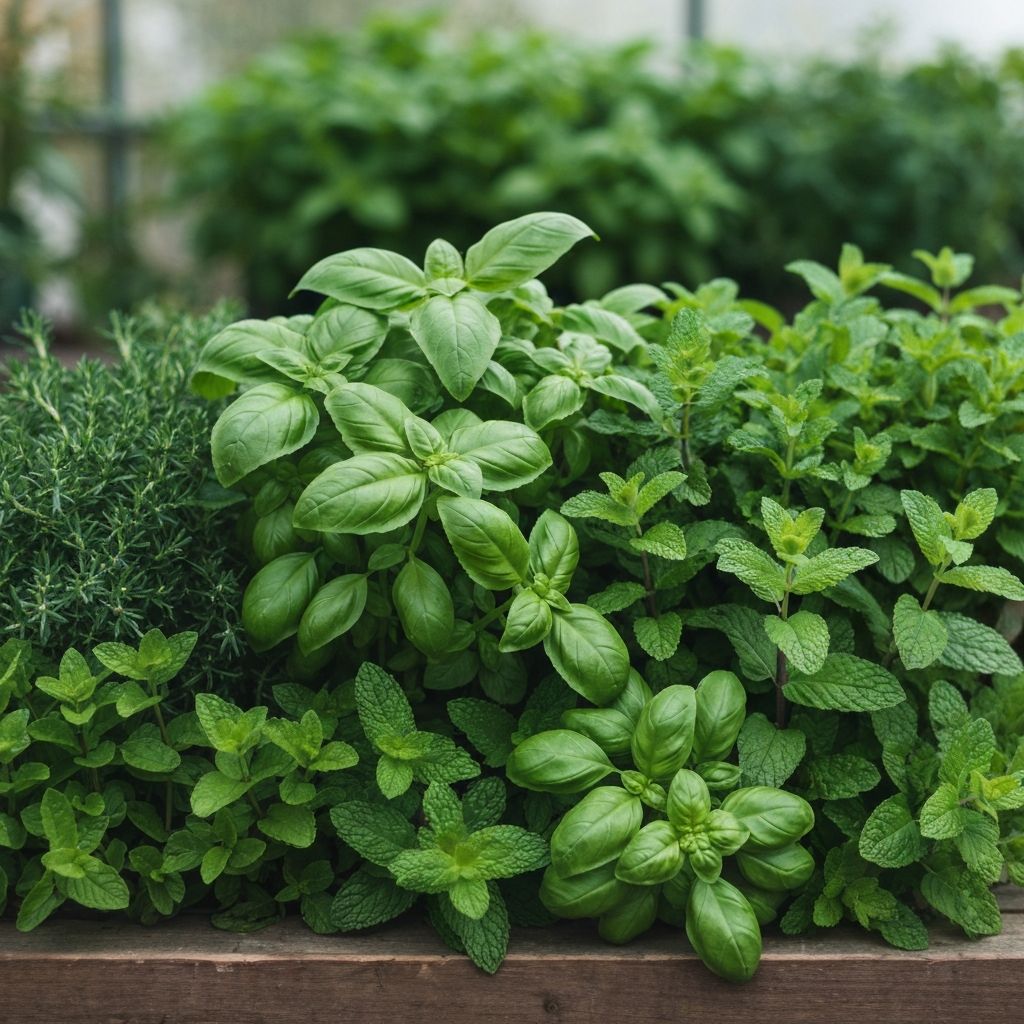
Overview of Plant-Based Supplements
Plant-based supplements encompass a wide range of products derived from botanical sources. These may include extracts, dried herbs, and formulations that combine multiple plant ingredients.
Different categories exist within this broad field, including single-herb preparations and multi-ingredient formulations. The composition and characteristics of these products vary considerably based on source materials and preparation methods.
Understanding the general landscape of plant-based supplements helps provide context for those interested in learning more about this topic from an educational standpoint.
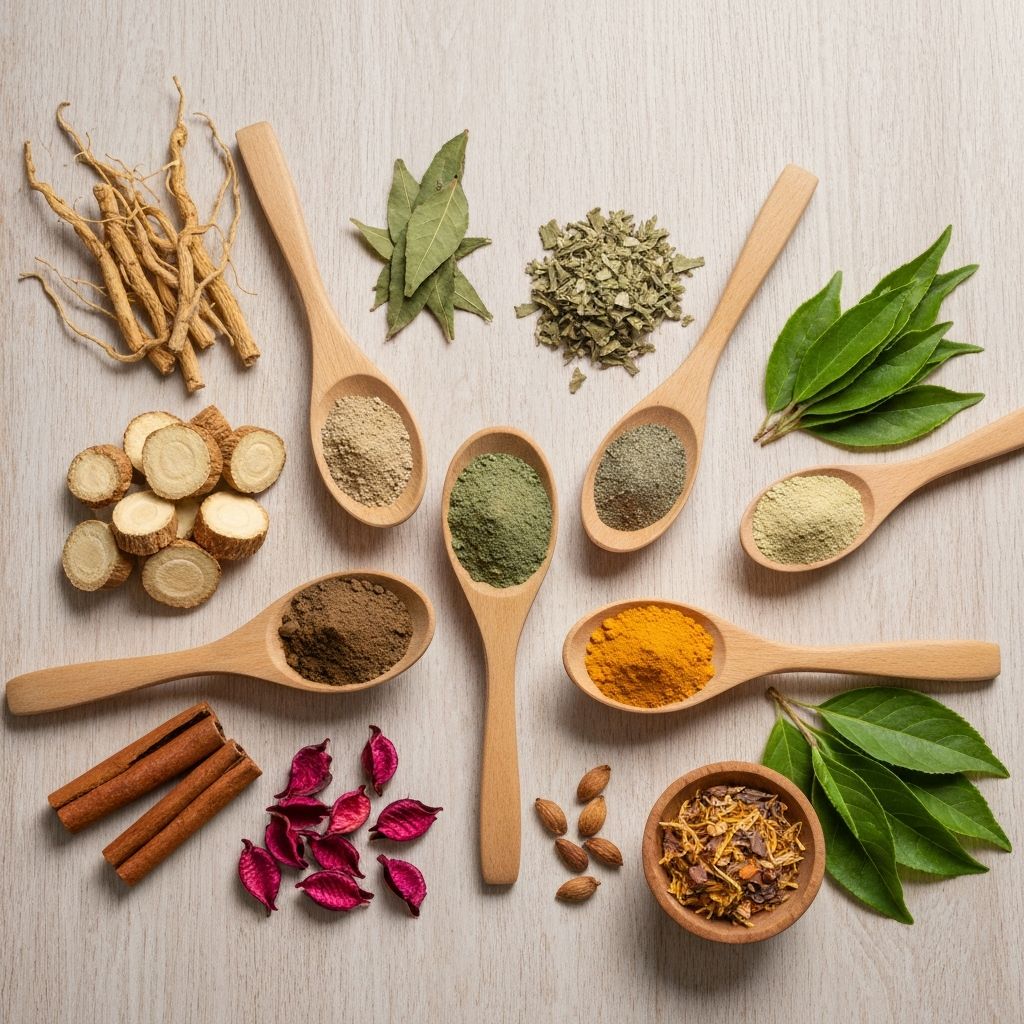
Key Ingredients in Daily Care
An educational overview of commonly discussed botanical ingredients found in various cultural traditions.
Ginseng Root
A root widely discussed in traditional Asian practices. Various cultures have documented its use over centuries as part of daily routines.
Ashwagandha
An herb referenced in Ayurvedic texts. It has been part of traditional practices in South Asian cultures for many generations.
Maca Root
A plant native to the Peruvian Andes. Historical records indicate its presence in traditional Andean practices for centuries.
Tribulus Terrestris
A plant mentioned in various traditional systems including Ayurveda and traditional Chinese practices. It grows in many regions worldwide.
Daily Routines for Vitality
Educational information about how various cultures approach daily wellness practices.
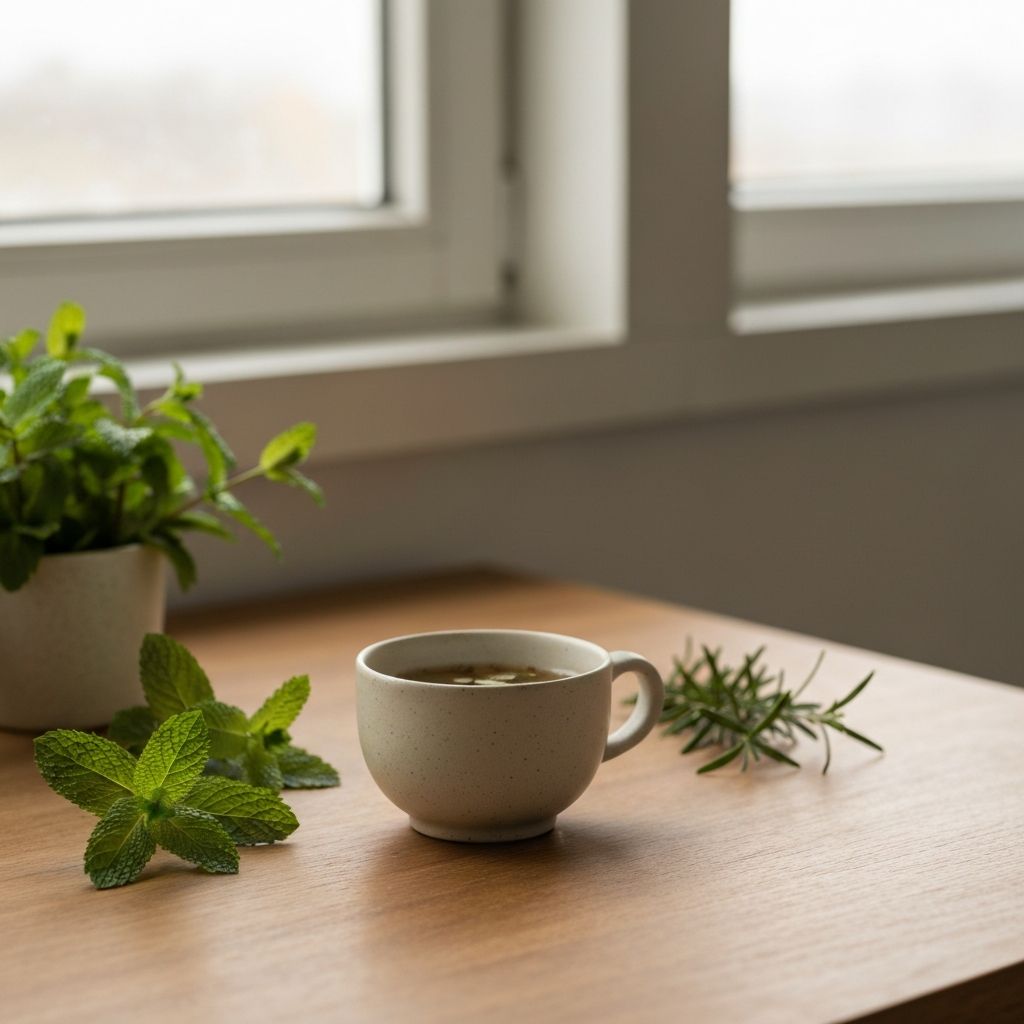
Morning Practices
Various traditions emphasize the importance of morning routines. Some cultures incorporate herbal preparations as part of their daily morning rituals.
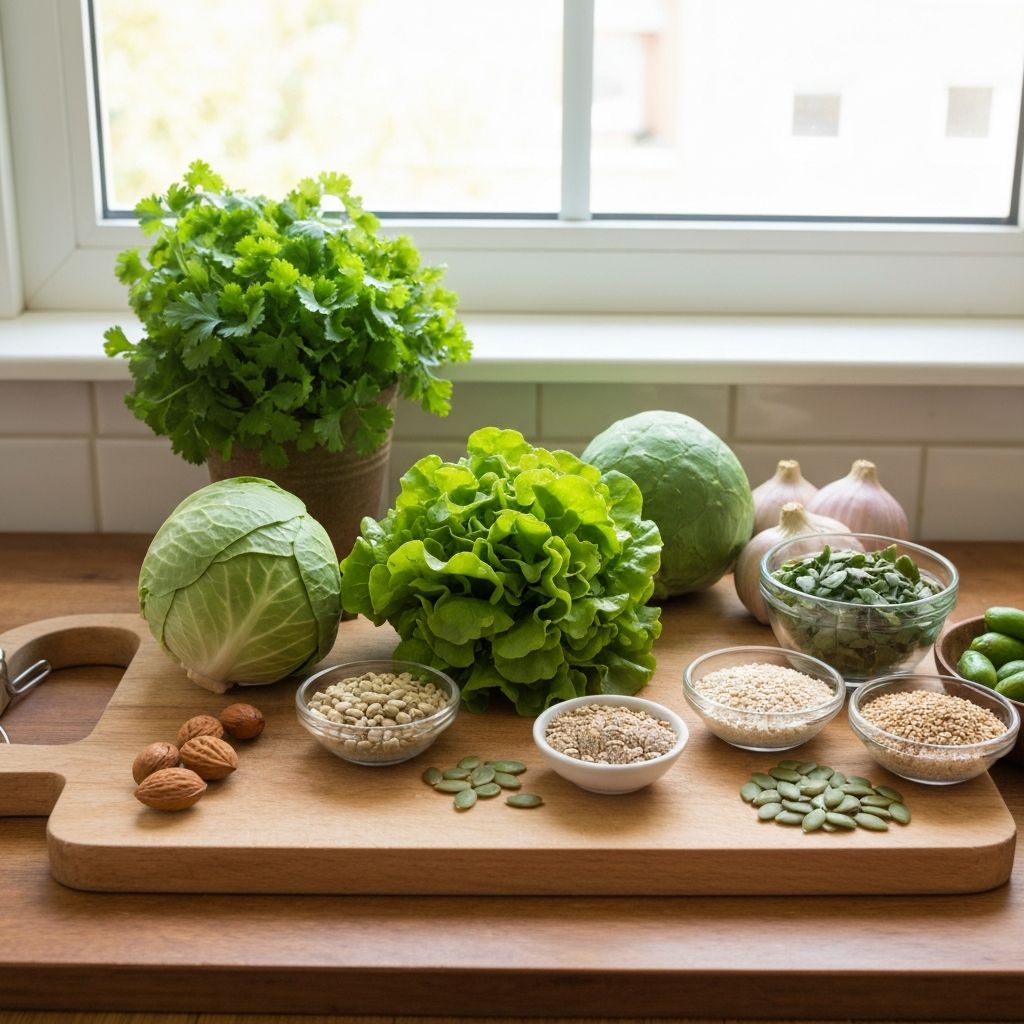
Nutritional Context
Many traditional approaches consider botanical ingredients within the broader context of nutrition and daily dietary patterns.
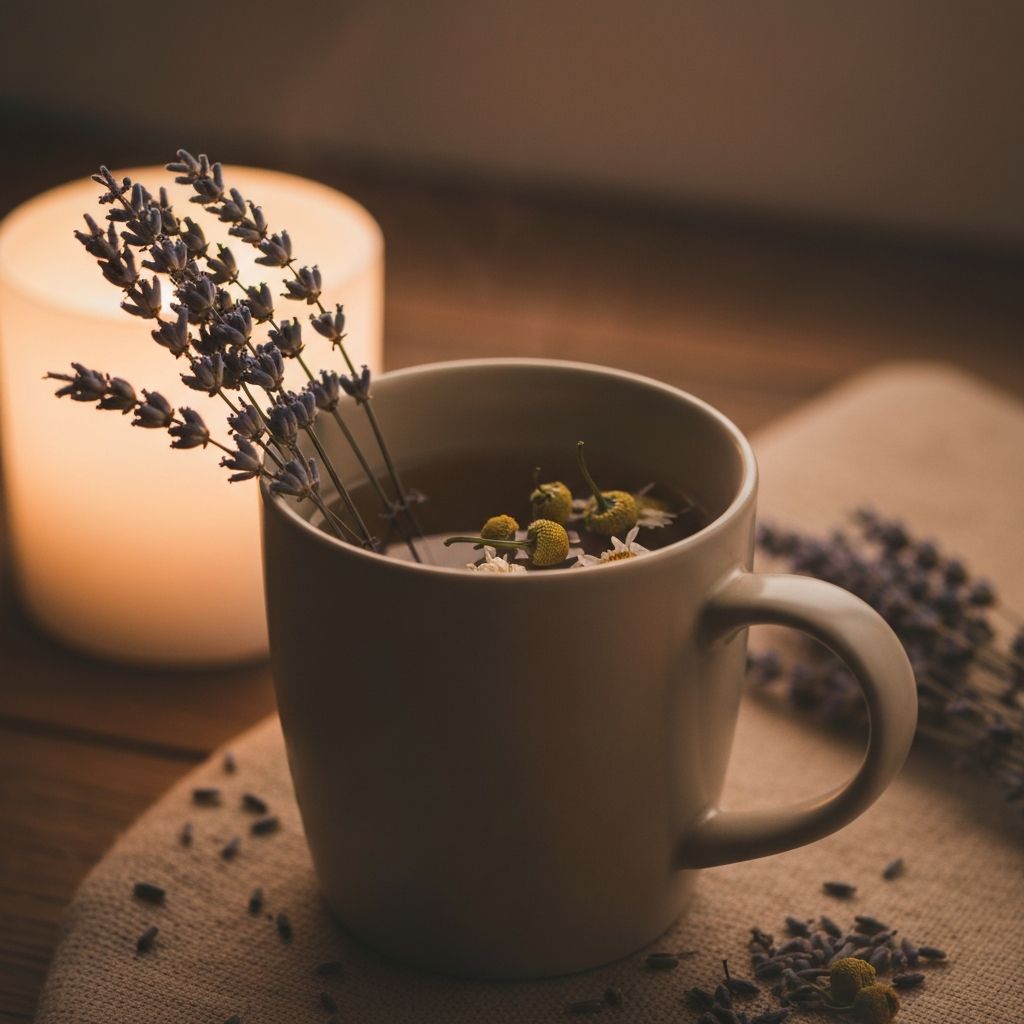
Evening Routines
Some cultural practices include evening routines that may involve herbal preparations as part of a broader approach to daily care.
Traditional and Cultural Practices
Throughout history, various cultures have developed their own approaches to incorporating botanical ingredients into daily life. These traditions reflect diverse geographical, historical, and cultural contexts.
Traditional Chinese practices have documented the use of certain herbs for thousands of years. Similarly, Ayurvedic traditions from the Indian subcontinent have their own extensive documentation of botanical ingredients.
Indigenous cultures across South America, Africa, and Southeast Asia have also developed their unique relationships with local plant species. Understanding these diverse traditions provides valuable educational context.
Cultural Context
Traditional practices vary significantly across cultures and time periods. This information is presented for educational purposes and does not represent endorsement of any particular approach.
Neutral Discussion on Supplementation
General educational information about the topic of botanical supplementation.
Forms and Preparations
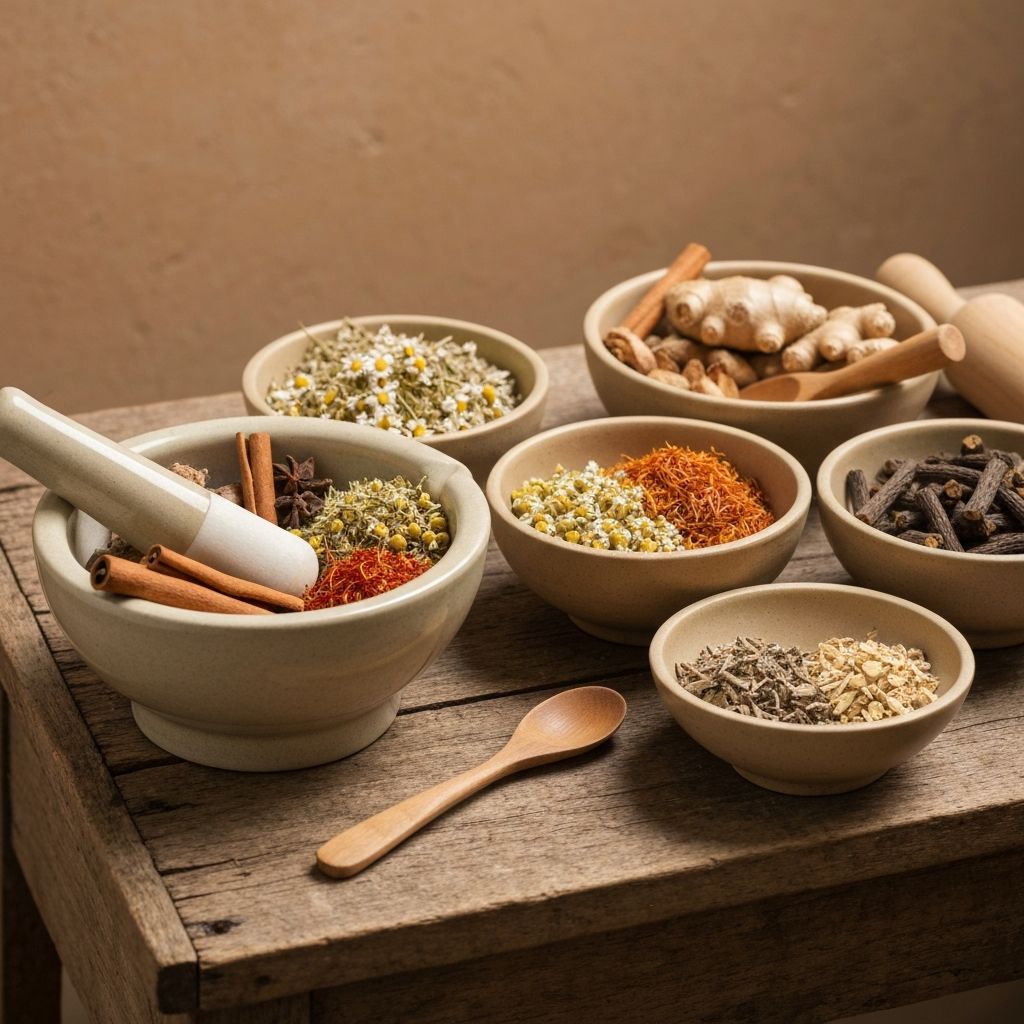
Botanical ingredients may be prepared in various forms including dried herbs, extracts, powders, and topical preparations. Each form has different characteristics related to concentration and composition.
Quality Considerations
The quality of botanical preparations can vary based on factors such as source material, growing conditions, harvesting methods, and processing techniques. These factors are often discussed in educational literature on the topic.
Regional Variations
Different regions have access to different botanical species based on climate and geography. This has historically influenced which plants are used in various cultural traditions around the world.
Historical Documentation
Many botanical ingredients have been documented in historical texts from various cultures. These documents provide insight into how different societies have approached the topic over time.
Scientific Background and General Knowledge
An overview of the academic and research landscape surrounding botanical ingredients.
Research Landscape
Academic institutions and research organizations have conducted various studies on botanical ingredients. The body of research continues to evolve as new studies are published and methodologies are refined.
It is important to note that research findings can vary significantly based on study design, sample sizes, and other methodological factors. Educational resources often emphasize the importance of understanding these variations.
Botanical Classification
Plants used in traditional practices are classified according to scientific taxonomy. Understanding botanical classification helps provide context for discussions about different plant species and their characteristics.
Many commonly discussed herbs belong to specific plant families, each with their own general characteristics. This botanical knowledge forms part of the broader educational context surrounding herbal topics.
Research Context
Scientific research on botanical ingredients is ongoing and evolving. The information presented here is for educational purposes and represents a general overview of the academic landscape rather than specific conclusions.
Frequently Asked Questions
Common questions about the educational content presented on this website.
This website serves as an educational resource providing general information about herbal approaches discussed in various cultural and traditional contexts. It does not provide personalized advice or recommendations.
No. This website is purely educational and does not sell, promote, or recommend any specific products. The content is informational and discusses topics from a neutral, educational perspective.
The content on this website is for general educational purposes only. It does not constitute personalized recommendations. Individual circumstances vary significantly, and this information should be understood within that context.
Traditional practices provide historical and cultural context for understanding how different societies have approached botanical ingredients. This information is presented for educational purposes to illustrate the diversity of approaches across cultures and time periods.
The educational content on this website reflects general knowledge as of January 2026. The field of botanical research continues to evolve, and readers should understand that information may develop over time.
Contact Information
Reach out with questions about the educational content on this website.
Send a Message
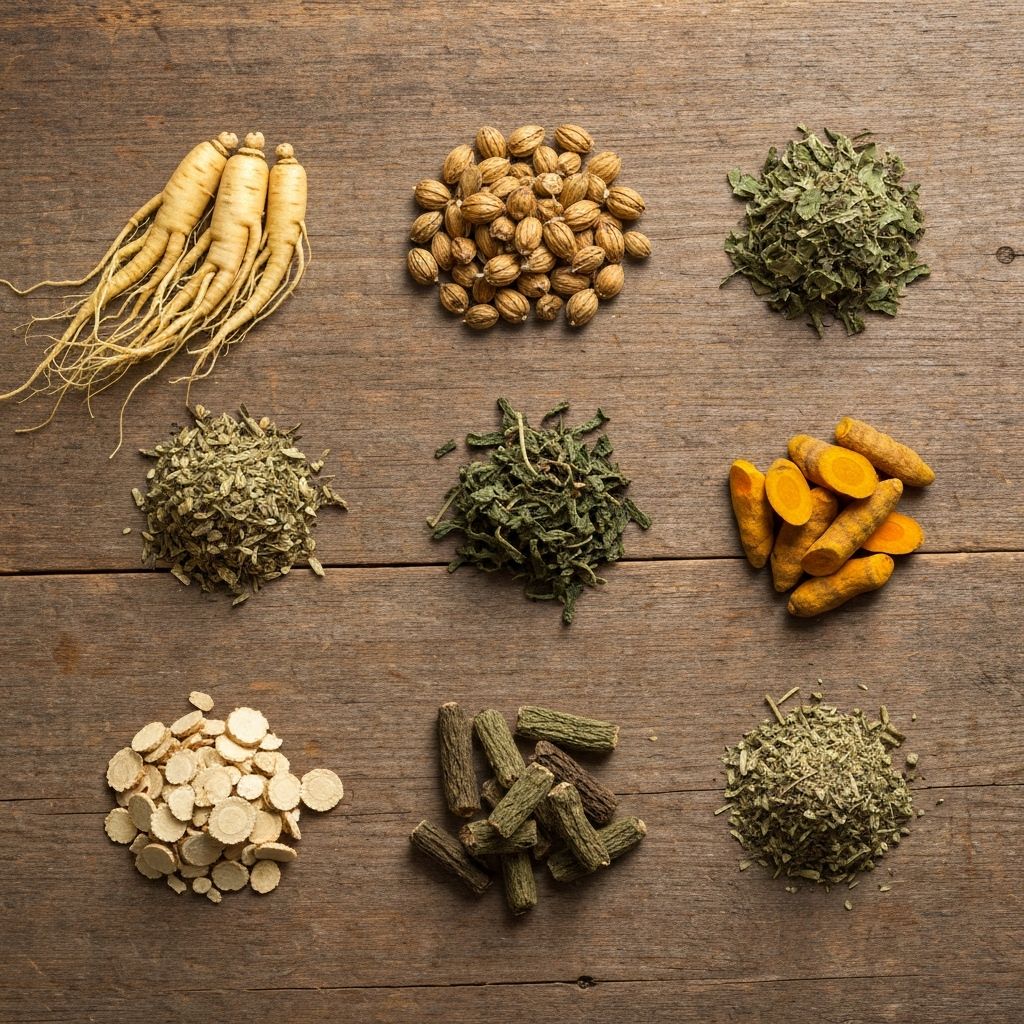
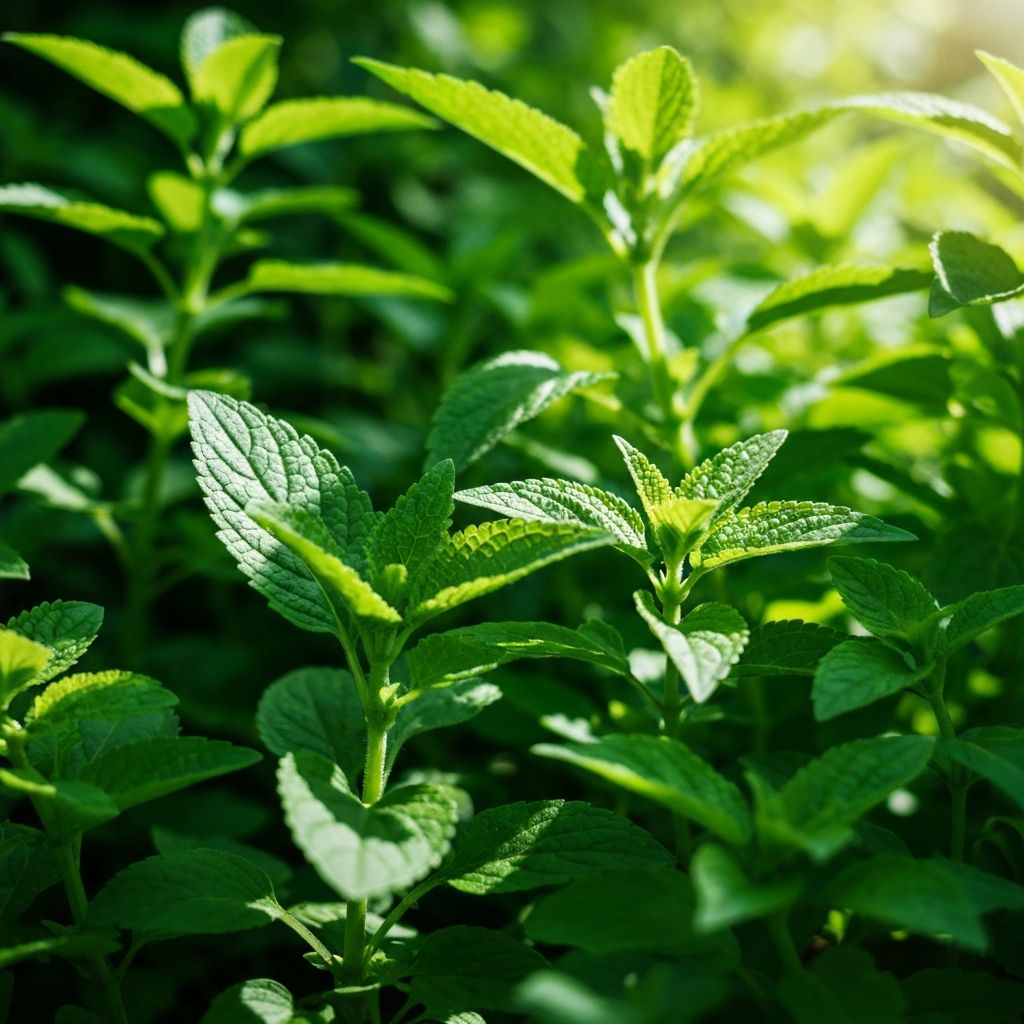
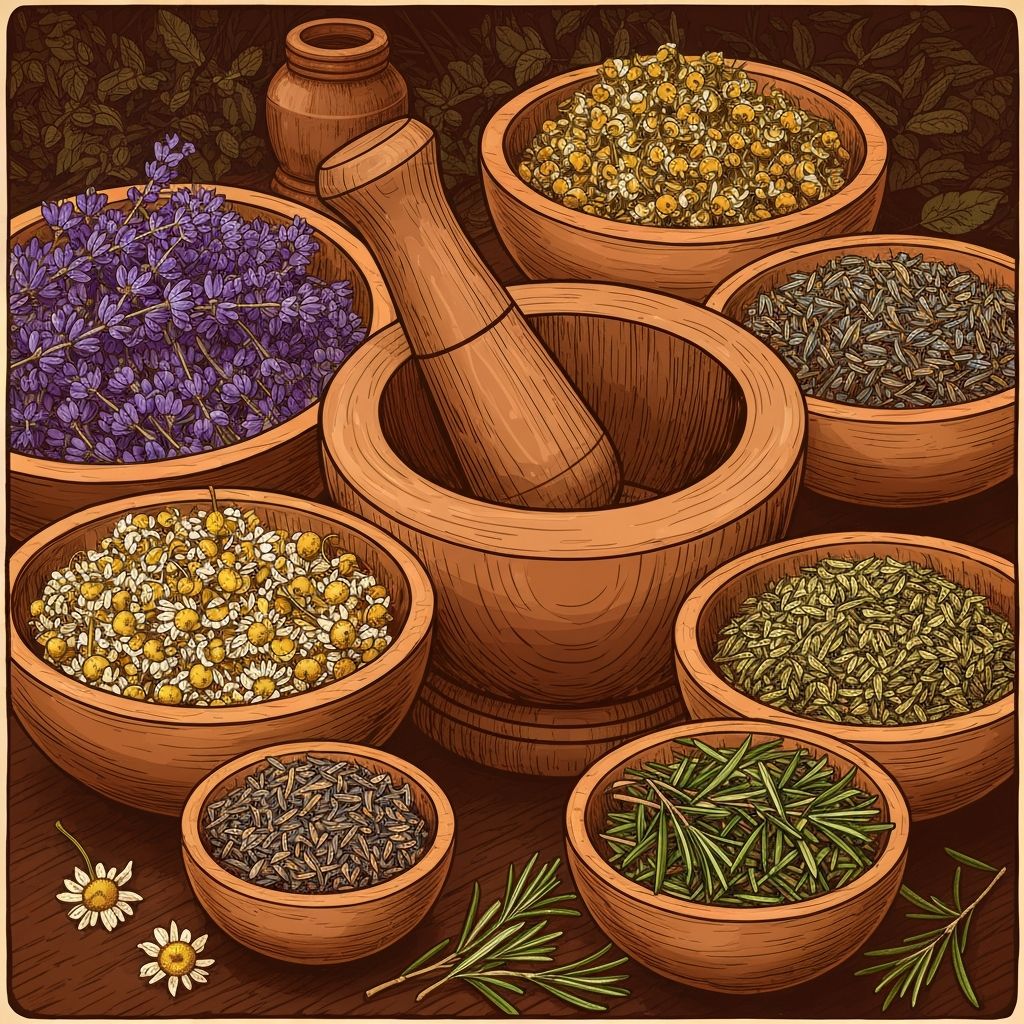
Visual Examples of Herbs and Preparations
Educational imagery illustrating various botanical ingredients discussed in traditional contexts.
Explore More Educational Content
Continue learning about herbal approaches and traditional practices through our informational resources.
Read More About Herbal Male Wellness